Commercial rubbish collection Devons Road Fish Island Bow
Posted on 10/08/2026
Commercial rubbish collection Devons Road Fish Island Bow: a practical guide for local businesses
If you run a business around Devons Road, Fish Island, or Bow, rubbish builds up faster than you expect. One day it is packaging and cafe waste; the next it is broken furniture, cardboard stacks, old stock, or office clutter that has quietly taken over a corner. Commercial rubbish collection Devons Road Fish Island Bow is really about keeping that mess under control without interrupting the working day.
Done well, it helps you stay tidy, reduce risk, protect your staff and customers, and avoid the sort of backlog that turns into a proper headache. Done badly, well... it becomes one of those jobs everyone keeps stepping around until Friday, then Monday, then somehow next month. This guide explains how commercial collection works in this part of Bow, what to look for, and how to choose a service that actually fits real business life.

Why Commercial rubbish collection Devons Road Fish Island Bow Matters
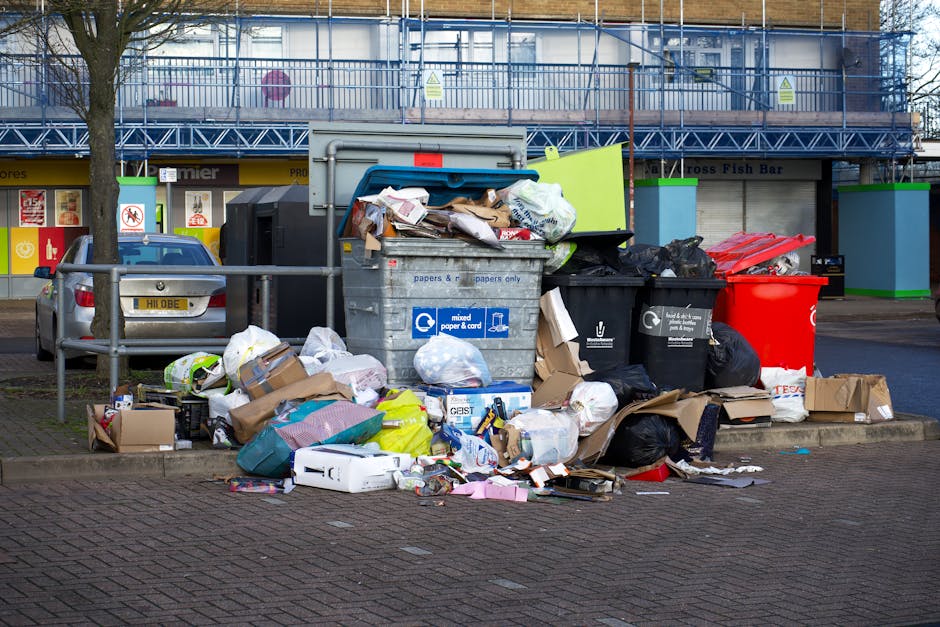
Commercial waste is not just "rubbish". It is part of how a business runs. In a busy local area like Devons Road, Fish Island and Bow, the wrong waste setup can cause clutter, odours, blocked access, unhappy neighbours, and awkward moments with customers arriving through the front door while sacks are building up at the back.
These neighbourhoods have a mix of warehouses, studios, creative spaces, hospitality venues, retail units, offices, and trade-based businesses. That means waste streams vary a lot. A design studio might need regular paper and packaging removal. A takeaway may need food-related waste taken away more often. A shop fitting team might produce bulky offcuts and wrapping. One-size-fits-all is rarely the answer.
There is also a practical Bow-specific factor: space. Space is precious. Loading areas can be tight, side access can be limited, and the timing of collections matters more than people think. If a pile-up blocks a doorway or spills into a shared yard, it does not just look untidy. It can interrupt the working day, and sometimes create avoidable safety concerns.
For businesses that care about reputation, there is another angle too. A neat exterior says a lot. Customers notice the bins. So do clients, suppliers, and delivery drivers. It is one of those small things that quietly shapes how professional a place feels.
How Commercial rubbish collection Devons Road Fish Island Bow Works
At a basic level, the process is straightforward: assess the waste, choose a collection approach, arrange timing, and make sure everything is taken away responsibly. In practice, the details matter quite a bit.
Most commercial collections begin with a conversation about what needs removing. That might be a one-off clear-out after a refit, or it might be a recurring collection for regular business waste. The provider should understand what type of material you have, how much there is, and whether it includes anything bulky, mixed, recyclable, or awkward to lift. That detail helps avoid delay on collection day.
A good service will also think about access. Can a vehicle get close enough? Is there a loading bay or only street access? Is the waste in a basement, upstairs office, shared yard, or rear alley? These are not minor questions. They are often the difference between a smooth job and a slightly chaotic one. Nobody wants three people standing in the rain wondering how to move a heavy filing cabinet down a narrow stairwell. Been there, done that, never ideal.
Many businesses in Bow will find it helpful to compare their waste needs with broader clearance and removal options. If you are dealing with more than just ordinary bagged waste, a page like commercial waste removal in Bow or even the wider services overview can help you understand how different jobs are typically handled.
In some cases, commercial rubbish collection is paired with clearance work. For example, an office might need desks, shelving, old monitors, and paper waste removed in one visit. In that sort of situation, the line between waste collection and clear-out gets a bit blurry, and that is perfectly normal.
Key Benefits and Practical Advantages
The obvious benefit is having rubbish removed. Fair enough. But the real value goes further than that.
- Cleaner working spaces: Staff can move safely and work more comfortably when waste is not piling up around them.
- Better customer presentation: A tidy frontage, yard, or entrance creates a better first impression.
- Less disruption: Planned collections are easier to fit around opening hours, deliveries, and peak trading times.
- More efficient recycling: Sorting waste properly can improve recycling outcomes and reduce avoidable contamination.
- Reduced stress: Once a collection routine is in place, one less job keeps demanding attention every single day.
There is also a hidden advantage: headspace. When bins are overfull or stock room waste sits around for too long, it quietly drains focus. Business owners rarely say, "I cannot think because of the cardboard pile," but, honestly, that is sometimes what is happening.
For companies looking to improve sustainability, it can help to pair collection planning with the ideas in the site's recycling and sustainability guidance. You do not need to make everything complicated. Often, a better bin arrangement and a more regular collection rhythm will already make a noticeable difference.
| Collection approach | Best for | Typical strengths | Possible downside |
|---|---|---|---|
| One-off collection | Moves, refits, clear-outs, sudden build-up | Quick reset, flexible, good for bulky items | Not ideal if waste is recurring |
| Scheduled recurring collection | Shops, cafes, offices, hospitality venues | Predictable, tidy, less chance of overflow | Needs planning and review over time |
| Mixed commercial clear-out | Office changes, stockroom refreshes, closures | Handles varied waste types in one go | More detail needed at booking stage |
| Bulk or bulky-item removal | Furniture, fixtures, broken equipment | Removes awkward items safely | Access and handling may take longer |
Who This Is For and When It Makes Sense
This service is a strong fit for businesses that produce more rubbish than normal domestic collection can handle, or that need a more responsive and flexible solution than standard bin storage allows.
It often makes sense for:
- restaurants, cafes, and food businesses
- offices and co-working spaces
- shops and showrooms
- creative studios and production spaces
- builders, decorators, and fit-out teams
- warehouses and light industrial units
- landlords and managing agents dealing with commercial voids
It also makes sense when a business has outgrown its current waste arrangement. Maybe the bins are always full by Thursday. Maybe deliveries leave behind too much wrapping. Maybe a recent expansion means the old setup is no longer working. These are all fairly normal signs that you need to reassess.
And let's be honest, sometimes the need is less about volume and more about urgency. An unexpected inspection, a lease handover, a post-event clear-down, or a fire-safety concern can all trigger the need for a faster, more organised collection.
If you are weighing commercial waste against office-focused removal, it may also help to compare it with office clearance in Bow or the broader rubbish collection service in Bow. The best choice depends on whether you need a routine collection, a clear-out, or a mix of both.
Step-by-Step Guidance
Here is a simple way to approach commercial rubbish collection without making it more complicated than it needs to be.
- Identify the waste types. Separate general waste, recyclable material, bulky items, and anything that needs special handling.
- Estimate the volume. It does not have to be exact. A rough sense of how many sacks, cages, or bulky pieces you have is usually enough to start.
- Check access. Note stairs, narrow corridors, parking restrictions, loading points, and any timed access issues.
- Choose the timing. Decide whether you need same-day support, a planned slot, or repeat collections.
- Prepare the site. Keep waste in one place if possible and make sure pathways are clear.
- Confirm what is included. Ask whether loading, lifting, sorting, disposal, and recycling are part of the service.
- Review the result. After the collection, check whether your setup now works better or needs a small tweak.
That last step is underrated. A slightly better bin location or collection day can save you a lot of frustration over a month. Tiny adjustment, big difference.
Expert Tips for Better Results
A few small habits can make commercial waste management much easier in this part of Bow.
- Keep waste streams separate where possible. Cardboard, general waste, metal, and furniture are easier to manage when they are not mixed together.
- Label storage points clearly. Staff are more likely to follow a system if it is obvious and simple.
- Plan around busy hours. Early morning or after-closing collections often work better than trying to move waste during service.
- Review waste after seasonal peaks. Christmas, event periods, and refurbishments can temporarily change the volume a lot.
- Keep a small "problem items" list. Old monitors, broken chairs, appliance waste, and packaging from deliveries should not sit in limbo for weeks.
One practical trick: walk the site as if you were a delivery driver or customer. What do you see first? Where would waste appear awkward, or even a bit shabby? That viewpoint can reveal problems staff stop noticing.
If your business deals with mixed waste and furniture, the related pages for furniture removal and furniture disposal in Bow can be useful for understanding how bulky items are usually handled alongside standard collection.

Common Mistakes to Avoid
Most waste problems are avoidable. The same few mistakes come up again and again.
- Waiting too long. Waste builds gradually, then suddenly becomes urgent.
- Underestimating access issues. A job that looks simple from the pavement can be trickier once someone has to move items through a back corridor.
- Mixing everything together. This makes sorting slower and can reduce recycling opportunities.
- Forgetting recurring waste patterns. If the same overflow happens every week, the collection pattern is probably wrong.
- Assuming all providers work the same way. They do not. Some are better at bulky commercial jobs, others at regular collections, and some are simply not set up for the kind of access your premises has.
Another subtle mistake is not talking to staff. People on the ground often know exactly where the waste bottlenecks are. A cleaner, receptionist, or store assistant usually spots the issue long before management does. To be fair, they are the ones living with it every day.
Tools, Resources and Recommendations
You do not need fancy software to improve commercial waste handling, but a few simple tools help more than people expect.
- Waste log: A basic notebook or spreadsheet showing what goes out and when.
- Site access notes: A short list of parking, entry, and timing details for repeat collections.
- Photo records: Helpful for unusual bulky jobs or pre-collection checks.
- Internal bin map: Useful in larger premises where different teams use different disposal points.
- Simple escalation contact: One person who knows what to do if the waste volume suddenly spikes.
For businesses that are also handling wider waste issues, the site's waste disposal in Bow and waste clearance information can help connect the dots between small routine removals and larger clear-out jobs.
And if your premises is due for a bigger reset, the builders waste disposal page may be relevant for refurbishment debris, packaging, and light construction waste. That one is often overlooked until the dust has already settled everywhere, including the tea mugs.
Law, Compliance, Standards, or Best Practice
Commercial waste handling in the UK comes with legal and practical responsibilities. The exact duties depend on the type of business and waste involved, but the core principle is simple: waste must be stored, transferred, and disposed of properly, and only by people and services that are suitably authorised and responsible.
From a business point of view, that means you should always be clear about who is taking the waste, what happens to it, and whether the service provider follows proper carrier and disposal requirements. Good providers are usually happy to explain this in plain English. If they dodge the question, that is a red flag. A small one maybe, but still a red flag.
For best practice, look for:
- clear descriptions of what can and cannot be collected
- reasonable handling and loading processes
- safe working practices around lifting and access
- transparent paperwork or job confirmation
- responsible recycling where suitable
You can read more about the site's approach through the waste carrier licence and compliance page, along with insurance and safety. Those pages are useful because they explain the kind of trust signals businesses should check before booking anyone to remove commercial waste.
It is also wise to keep your own records of collections, especially if waste is recurring or linked to tenants, lease obligations, or fit-out works. Not glamorous, granted. Still worth doing.
Options, Methods, or Comparison Table
Businesses in Devons Road, Fish Island, and Bow usually end up choosing between a few main approaches. The right one depends on how much waste you generate, how variable it is, and how much flexibility you need.
| Method | Good for | Strength | Watch out for |
|---|---|---|---|
| Routine bag/bin collection | Steady everyday waste | Simple and predictable | Can struggle with bulky items or spikes in volume |
| On-demand commercial collection | Irregular waste or sudden overflow | Flexible when you need a faster response | Works best when access and waste type are clearly explained |
| Full clear-out service | Office moves, closures, refurbishments | Removes mixed waste and items in one visit | Needs more preparation and site access planning |
| Combined disposal and recycling approach | Businesses trying to reduce landfill dependency | Better sorting and fewer missed recycling opportunities | Requires staff discipline and a consistent system |
If your business is more office-led, you may also want to look at office clearance in Bow. That becomes especially relevant during relocation, downsizing, or a workplace refresh. If the job is bigger and more general, commercial waste removal in Bow usually gives a better starting point.
Case Study or Real-World Example
Imagine a small creative studio near Fish Island. The team has six staff, regular deliveries, sample packaging, broken display items, and a storage corner that has slowly turned into a catch-all for "we will sort that later." It is a familiar story.
At first, the waste seems manageable. A few sacks here, some cardboard there. But over a few weeks the piles grow. Cardboard starts leaning against shelving. A broken chair gets left near the doorway. A couple of old desks wait beside the back entrance because nobody quite knows who should move them. Suddenly the place feels cramped, even though the floor plan has not changed at all.
The studio arranges a commercial rubbish collection and explains exactly what needs to go: mixed packaging, a few bulky items, and general clutter from the storage zone. The collection is scheduled outside their busiest client hours. Staff are asked to group waste by type before the crew arrives. Nothing dramatic. Just calm organisation, really.
Afterwards, the studio reshapes its waste setup. Cardboard is stored separately. Bulky items are flagged earlier. Someone gets the job of checking the waste corner every Friday afternoon. Simple things. The result is a more usable space, fewer blocked walkways, and a cleaner look for visitors. Not magic. Just good housekeeping with a business brain behind it.
That kind of improvement is why commercial rubbish collection is often less about a single pickup and more about fixing a pattern.
Practical Checklist
Use this checklist before arranging collection. It will save you time later.
- Have you identified every waste type that needs removing?
- Do you know whether anything is bulky, heavy, or awkward to move?
- Is your access route clear and realistic for the collection team?
- Have you chosen a time that will not disrupt customers or staff?
- Have you separated recyclables where possible?
- Are bins, sacks, or items grouped in one easy-to-reach location?
- Do you know whether this is a one-off or a recurring need?
- Have you confirmed any safety or insurance questions in advance?
- Are staff aware of what is being collected and where to place it?
- Have you checked whether a larger clearance service would be more efficient?
One more small tip: if you are not sure whether your waste situation is "collection" or "clearance," that is usually a sign you should describe the job in more detail before booking. A few extra sentences now can prevent a messy misunderstanding later.
Get a free quote today and see how much you can save.
Conclusion
Commercial rubbish collection Devons Road Fish Island Bow is ultimately about keeping local businesses running cleanly, safely, and without unnecessary disruption. The right setup takes account of access, waste type, collection timing, and the reality of how businesses actually operate in this part of Bow.
When you treat waste as part of the day-to-day system rather than a side issue, everything becomes easier. The site looks better. Staff waste less time moving clutter around. Customers get a better impression. And, perhaps most importantly, the whole place feels calmer. A bit more under control.
If you are reviewing your current arrangement, start with what is being produced, how often it appears, and where it ends up. That usually tells you the next sensible step.
And if you can sort the waste corner, honestly, the rest of the workspace often starts to feel easier too.

 Tipper Van - Rubbish Removal and Builders Waste Disposal Prices in Bow, E3
 Luton Van - Rubbish Removal and Builders Waste Disposal Prices in Bow, E3